
If you manage commercial properties, you already know landscaping isn’t just about “looking nice.” In 2026, it’s increasingly tied to the things property managers are measured on: budget control, risk reduction, tenant satisfaction, and fewer surprises.
Water costs continue to climb in many markets, weather puts plantings and trees under stress, and ownership groups want clearer justification for every dollar spent. The good news? The industry is responding with smarter planning, better documentation, and more resilience-focused strategies that keep properties looking sharp while reducing long-term headaches.
Below are the key 2026 commercial landscaping trends Cumberland Landscape Group is seeing, and what property managers can do right now to stay ahead:
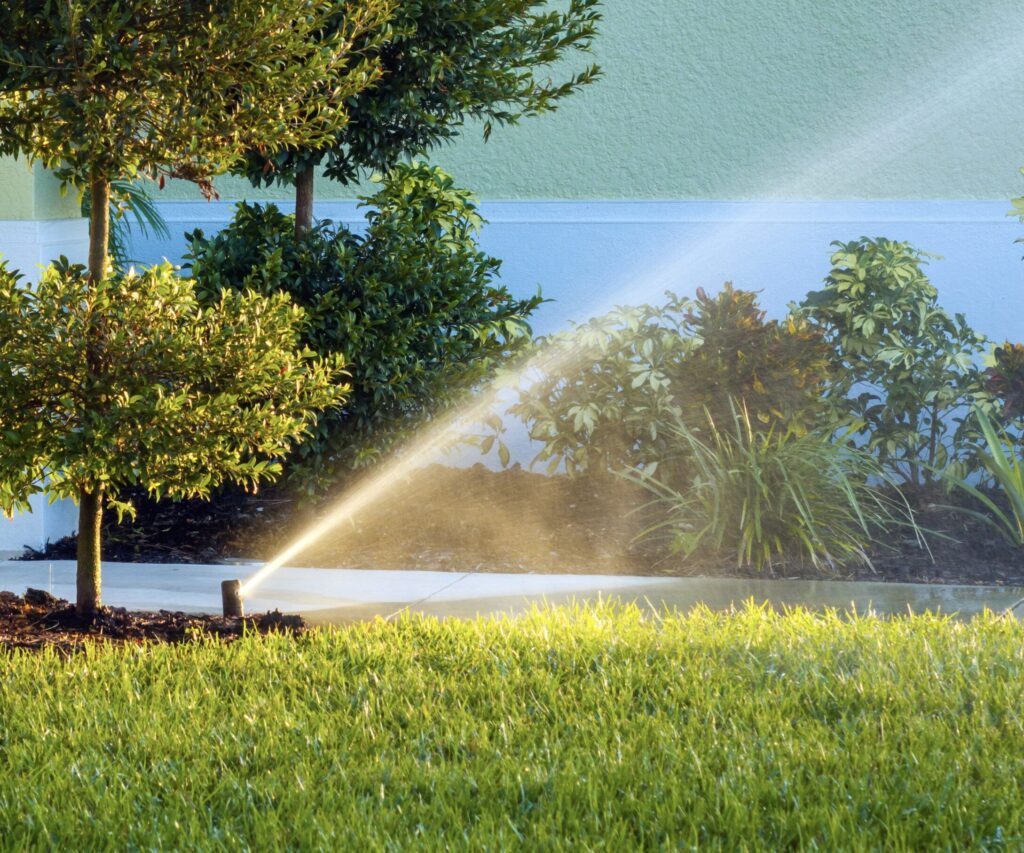
Water budgeting is becoming standard practice
What’s changing: Water costs and restrictions are driving landscape decisions more than ever.
What it means for PMs: Irrigation schedules, turf areas, and plant choices will get more scrutiny, internally and externally.
Action step: Ask for a site water-use review and a seasonal water budget plan (so adjustments are intentional, not reactive).
Irrigation performance upgrades deliver the quickest ROI
What’s changing: Modern irrigation best practices are shifting toward precision and accountability, better control, pressure management, targeted delivery, and diagnostics.
What it means for PMs: You can reduce waste, limit plant loss, and avoid expensive leak surprises.
Action step: Request three upgrade tiers (good/better/best) with cost ranges and expected impact.
The Right plant is replacing high-maintenance landscapes
What’s changing: Commercial properties are increasingly moving toward climate-adapted plant palettes and smarter turf decisions to reduce inputs and replanting cycles.
What it means for PMs: Better year-round appearance with fewer replacements and fewer irrigation demands.
Action step: Build a plant replacement plan that prioritizes survivability, mature size, and long-term maintenance needs.
Tree health and risk management are moving higher on the priority list
What’s changing: Heat stress, storm events, and pest/disease pressure make proactive tree care more important and more cost-effective than emergency response.
What it means for PMs: Trees are major assets, but also major liabilities when stressed or failing.
Action step: Ask for a tree inventory and risk scan, plus pruning priorities and a replacement roadmap.
Drainage and erosion fixes are outperforming “cosmetic” upgrades
What’s changing: Enhancement budgets are shifting toward site functionality: drainage corrections, grading touch-ups, bed stabilization, and erosion control.
What it means for PMs: Fewer muddy walkways, fewer dead zones, cleaner curb lines, and fewer tenant complaints.
Action step: Request a top problem-areas list with phased recommendations and budget ranges.
Documentation expectations are rising (and it’s a good thing)
What’s changing: Commercial clients increasingly expect clear scopes, photo documentation, and service notes tied to outcomes.
What it means for PMs: Better reporting reduces complaint cycles, improves vendor accountability, and simplifies budgeting.
Action step: Require monthly reporting: key actions taken, issues found, recommended next steps, and before/after photos.
Predictable budgeting wins: multi-phase plans over surprise proposals
What’s changing: Owners and PMs are favoring 1–3 year enhancement roadmaps that spread costs and reduce “emergency” spending.
What it means for PMs: Easier approvals and fewer last-minute decisions under pressure.
Action step: Ask for a 12–36 month enhancement plan ranked by risk reduction and return on investment.