
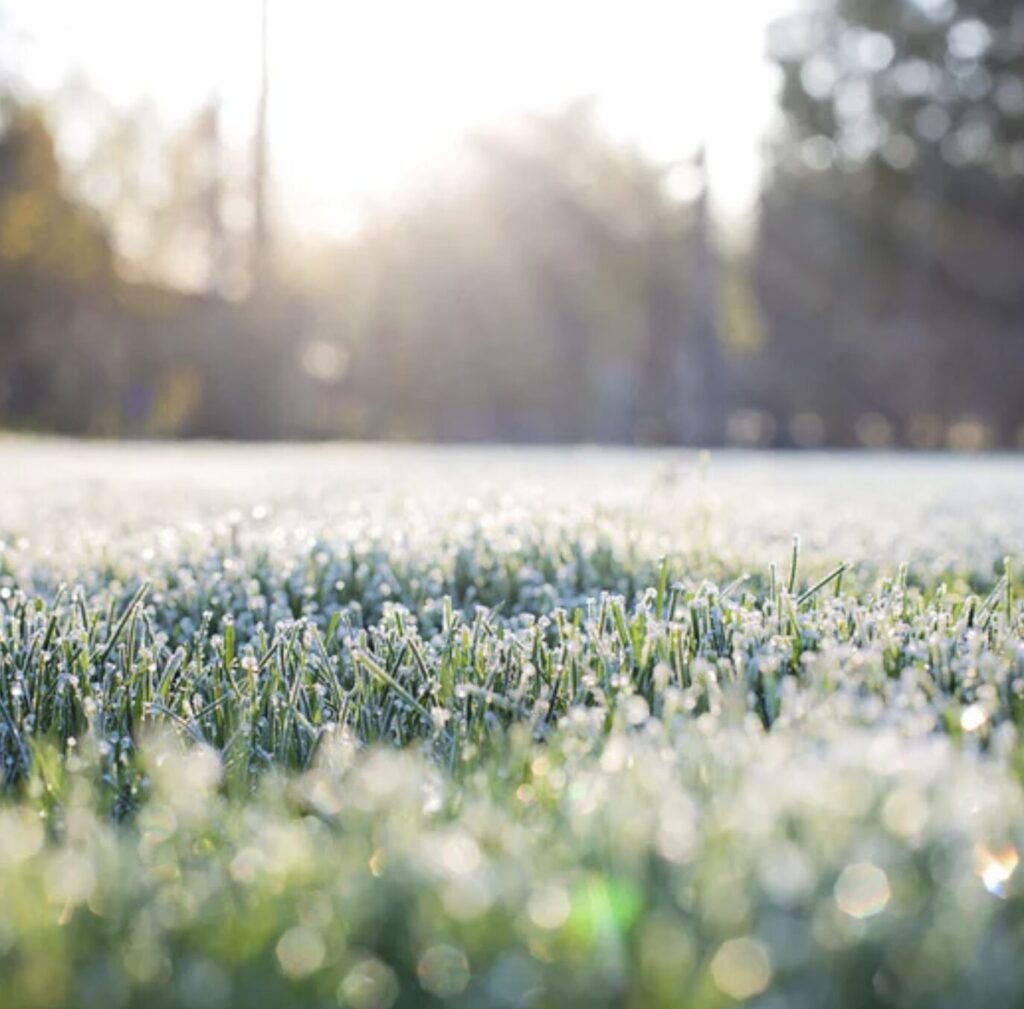
Landscaping after a deep freeze requires careful observation and timely action to help your plants recover and prevent further damage. Our Team can assist you with this:
Assess the Damage
- Check Plants and Shrubs: Look for brown or black foliage, split bark, or mushy stems.
- Observe Trees: Inspect for cracked limbs, broken branches, or frost damage on bark.
- Evaluate Lawns: Note any discolored, patchy areas caused by freezing temperatures.
Avoid Immediate Pruning
- Wait to Trim Damaged Areas: Freeze-damaged plants may look worse than they are. Pruning too soon can remove potentially viable parts.
- Give Plants Time: Allow plants to show new growth before deciding what needs pruning.
Water Gently
- Hydrate Roots: If the soil isn’t frozen, water plants lightly to rehydrate stressed roots.
- Avoid Overwatering: Damaged roots may not absorb water efficiently, so water sparingly.
Remove Dead or Severely Damaged Parts
- Prune Broken Branches: Once the risk of frost has passed, remove visibly broken or hazardous limbs.
- Clean Up Debris: Rake fallen leaves, branches, and other debris to prevent pests and diseases.
Fertilize with Caution
- Wait to Fertilize: Avoid feeding plants immediately after a freeze, as it can encourage growth when plants are still recovering.
- Use Light Fertilizer: Apply a balanced, slow-release fertilizer in the spring when plants show signs of recovery.
Help Lawns Recover
- Aerate and Overseed: If grass was damaged, aerate and apply grass seed to fill bare patches.
- Topdress: Add a thin layer of compost to encourage root growth.
Monitor for Pests and Diseases
- Check Regularly: Damaged plants are more susceptible to infestations and infections.
- Act Quickly: Treat any signs of pests or fungal issues to prevent spreading.
Replace Unsalvageable Plants
- Choose Hardy Varieties: Replace dead plants with species more resistant to cold for future-proofing.
- Plant in Late Spring: Wait until after the last frost to install new plants.
Yes, there is a lot of steps when landscaping after a deep freeze and we know it can be overwhelming. Contact us today for help.